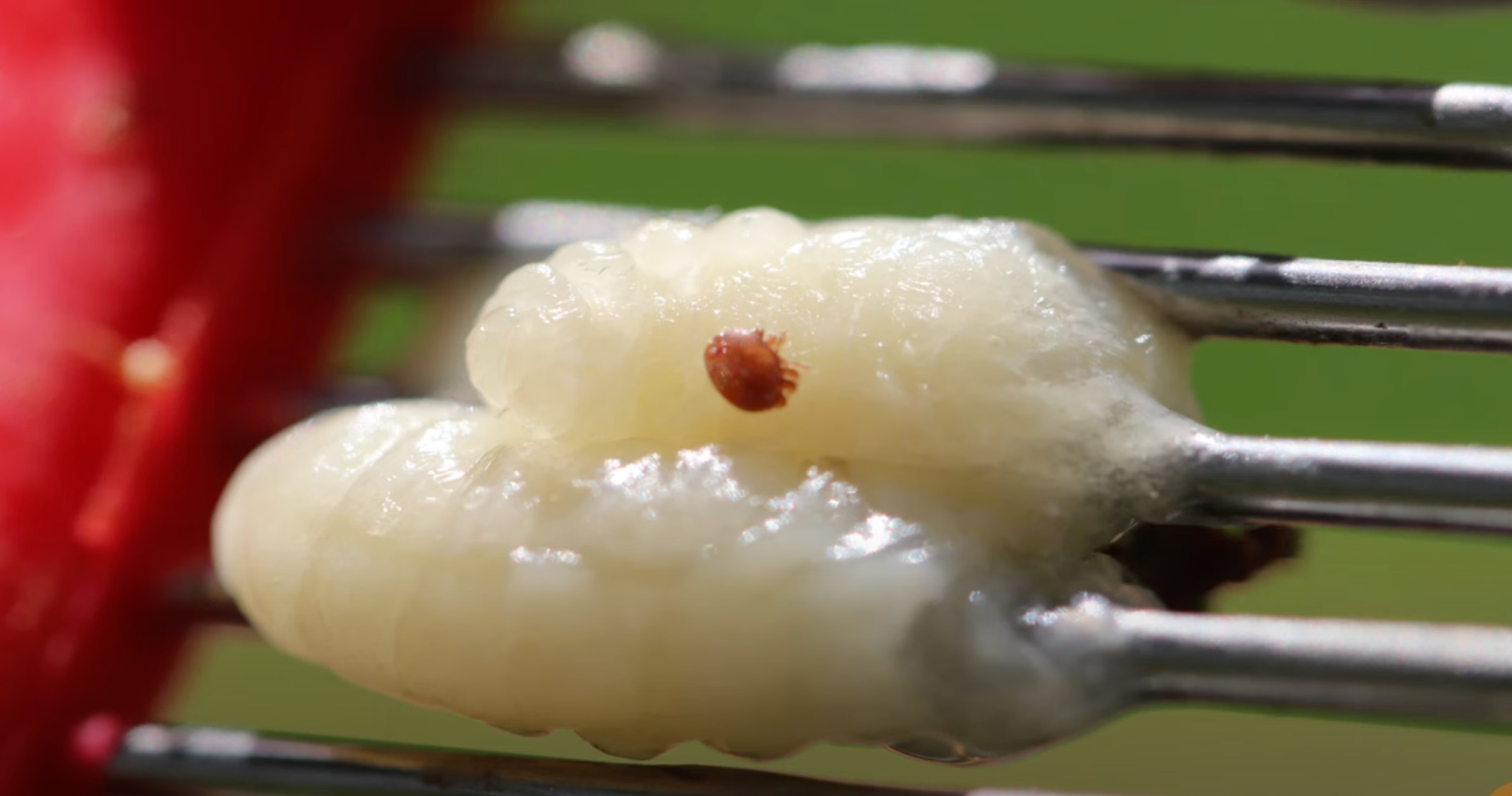


Why Varroa Mite Control Is the Key to Hive Survival and Honey Production in Australia
- Effective Varroa control is now the single biggest factor in long-term hive success.
- High mite levels weaken bees and increase virus loads, leading to colony loss.
- Regular monitoring is essential—treat based on actual mite counts, not just the calendar.
- Australian conditions may require earlier intervention than traditional autumn treatments.
- Ventilated bottom boards and proper timing are critical for keeping pressure low year-round.
If you’re a beekeeper, you already know that the health and productivity of your hives depend on many factors. However, one factor now has the greatest impact on long-term success: effective varroa mite control. Proper varroa management plays a critical role in hive survival, colony strength, and honey production, making it one of the most important aspects of modern beekeeping in Australia.
Here’s why getting varroa mite control right matters so much – and how to approach it under Australian conditions.
Varroa Mite Control and Hive Survival
Varroa mites are now one of the most significant threats to honey bee colonies in Australia. Hives without effective varroa control often struggle to survive periods of stress, and even if they do, they frequently emerge weak and slow to build when conditions improve.
In contrast, colonies with consistently low mite levels are far more likely to survive successfully and produce strong populations ready for honey flows and pollination work.
Keeping Varroa Infestation Levels Low
The goal of effective varroa mite managementis to keep infestation levels consistently low throughout the season. High varroa mite counts weaken adult bees, increase virus loads, and significantly raise the risk of hive losses.
This is why regular varroa monitoring is critical, so you are treating based on what’s happening inside your hives, not just what you expect to be happening.
Varroa Monitoring: Measure, Don’t Guess
Regular varroa monitoring is essential for making informed treatment decisions. Whether you use alcohol washes, sugar shakes, or other approved monitoring methods, measuring mite levels allows you to act early. During the acute phase of varroa spread, feral beehives are dying with extreme levels of infestation and invasion of mites can occur at levels as high as 80 mites per day.
Even though your treatment may have worked, you can still have significant mite numbers. It is therefore important to also monitor your hives after treatment to determine your next treatments.
The Science: More Bees, Less Virus
Research and field observations continue to reinforce what many beekeepers are already seeing in practice. Colonies with well-managed varroa levels maintain stronger adult bee populations and lower virus pressure than hives with poor control.
Strong bee numbers and reduced virus loads are among the most important drivers of hive survival and honey production, particularly under Australian conditions where brood rearing can continue for long periods and mite populations can build quickly if left unmanaged.
Rethinking Varroa Treatment Timing in Australia
One of the most common misconceptions in modern beekeeping is that spring and autumn varroa treatments alone are sufficient. As virus loads grow over time, this traditional approach often falls short and in-season treatments may be needed.
Effective varroa mite control must be based on measured mite levels, not just the time of year.
Why Waiting Until Late Autumn Can Be Too Late
What is sometimes considered the standard autumn varroa treatment in some countries, can often come too late in Australian conditions. After strong honey flows and extended brood rearing, varroa mite populations can rise rapidly. In many cases, this means hives may require treatment as soon as the honey flow ends.
To maintain effective varroa mite control year-round, some Australian beekeepers are achieving better results by intervening earlier to knock mite levels down, then following up later to maintain low pressure through winter and into spring. This approach creates longer periods of low mite levels, reducing virus pressure and supporting stronger colonies and improved honey production.
Varroa Treatment Options in Australian Conditions
If varroa monitoring shows high mite levels during periods of brood rearing or honey production, treatment may be required to protect hive health. Product choice and timing should always be guided by label directions, resistance management principles, and local conditions. For a range of approved options, view our Varroa Mite Treatments.
Alongside treatments, ventilated bottom boards are a practical tool within a varroa management system. By allowing fallen mites to drop out of the hive rather than reattaching to bees, they help reduce background mite load. When used with pest trays, they also make mite monitoring quicker and more accurate, supporting better treatment decisions during long brood cycles.
The Payoff: Stronger Hives and More Honey
Extra monitoring and additional treatments do require time and investment. However, the return is clear.
Staying on top of varroa control often pays for itself many times over through:
- Improved hive survival
- Stronger colony build-up
- Increased honey yields
Healthy bees produce more honey, and effective varroa control is central to that outcome.
Bottom Line: The Three Fundamentals
For Australian beekeepers, successful varroa mite control comes down to these essentials:
- Monitor your hives regularly: Don't fly blind.
- Treat based on data: Act on mite counts, not just the calendar.
- Right product, right time: Use appropriate treatments timed to reduce virus pressure early.
Get these right, and your bees – and your honey harvest – will thank you.
Equip Your Hives for Success
Ecrotek Australia provides the essential tools for effective Varroa mite management. From monitoring equipment to ventilated bottom boards and treatments, we help you keep your colonies strong.
Shop Varroa Management ToolsNeed advice on the best strategy for your location? Contact our team for personalized support.